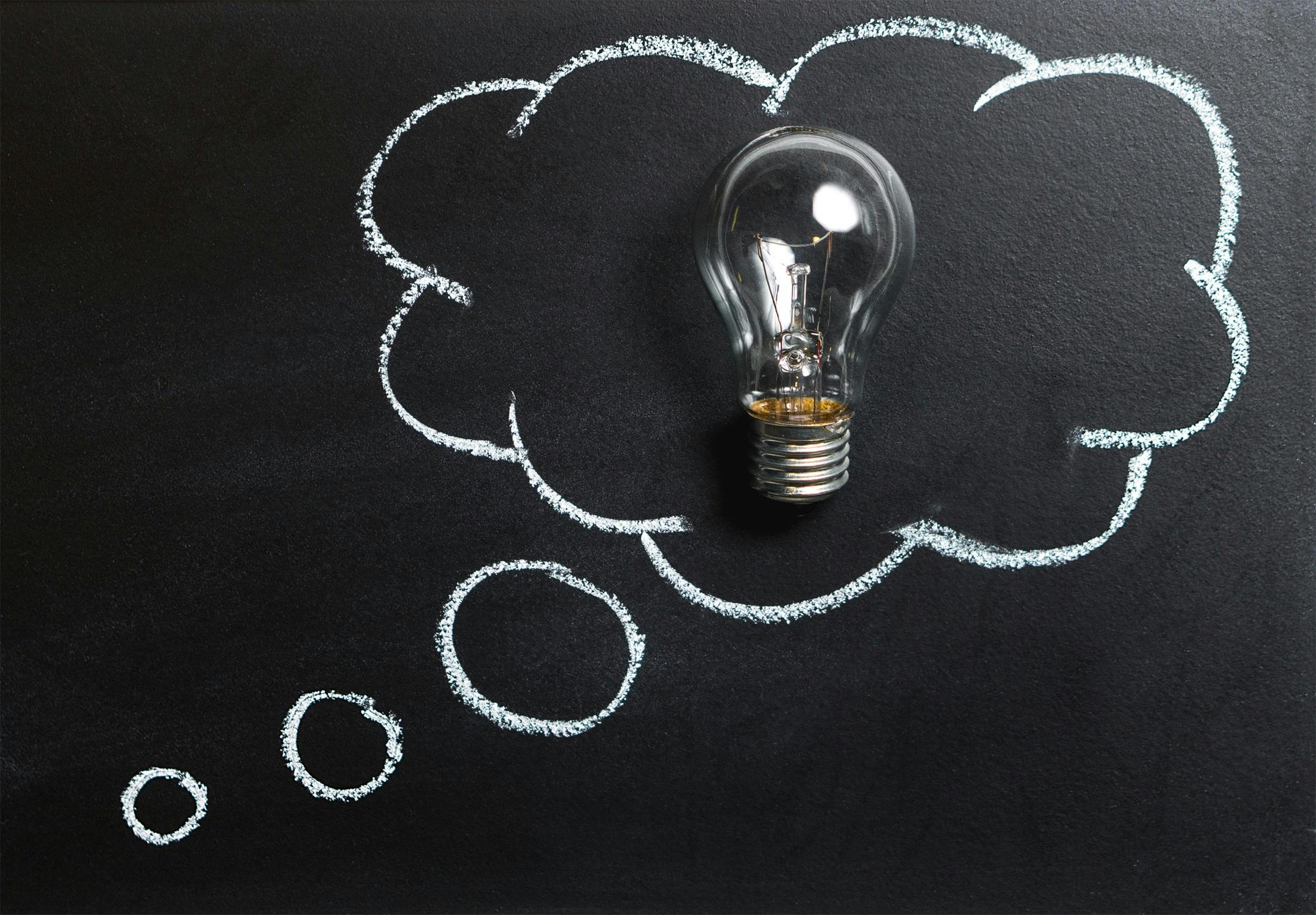
Inspiration strikes like lightning—sudden, powerful, and transformative. Understanding the neuroscience behind creativity and motivation reveals how our brains unlock innovative thinking and sustained drive.

🧠 The Neural Symphony of Creative Thought
Every moment of inspiration involves a complex dance of neural networks firing in synchronized patterns. When we experience that “aha!” moment, our brains aren’t simply activating a single region—they’re orchestrating a full symphony of cognitive processes that span multiple brain areas working in concert.
The prefrontal cortex, often called the brain’s CEO, plays a crucial role in creative thinking by managing executive functions and decision-making. Simultaneously, the default mode network (DMN) activates during periods of rest and introspection, allowing our minds to wander and make unexpected connections between seemingly unrelated concepts.
Research from neuroscience laboratories worldwide has identified that creative insights often emerge when the brain transitions between focused attention and relaxed awareness. This neurological state, sometimes called the “alpha wave state,” represents a sweet spot where the mind remains alert yet open to novel associations.
The Chemistry of Inspiration ✨
Neurotransmitters serve as the brain’s chemical messengers, profoundly influencing our capacity for creative thinking and motivation. Dopamine, often dubbed the “motivation molecule,” floods our neural pathways when we anticipate rewards or experience something novel and exciting.
When dopamine levels surge, our brain becomes primed for learning, pattern recognition, and innovative problem-solving. This neurochemical response explains why new experiences, unfamiliar environments, and challenging situations often spark creative breakthroughs—they literally change our brain chemistry.
Serotonin contributes to emotional stability and well-being, creating the psychological foundation necessary for sustained creative work. Meanwhile, norepinephrine sharpens attention and arousal, helping us focus intensely when inspiration strikes and ideas need immediate capture and development.
The Motivation Matrix: Understanding What Drives Us Forward
Motivation operates through two primary pathways in the brain: intrinsic and extrinsic systems. Intrinsic motivation originates from internal satisfaction and personal fulfillment, activating reward centers associated with genuine interest and enjoyment. Extrinsic motivation responds to external rewards like money, recognition, or avoiding negative consequences.
The ventral striatum, particularly the nucleus accumbens, serves as a critical hub for processing both types of motivation. When this region lights up in brain imaging studies, researchers observe increased willingness to expend effort toward goals, regardless of whether those goals are personally meaningful or externally imposed.
Interestingly, neuroscience reveals that intrinsic motivation typically produces more sustainable engagement and higher-quality creative output. When we pursue activities for their inherent enjoyment rather than external validation, our brains show enhanced connectivity between reward centers and areas responsible for long-term planning and goal pursuit.
The Prefrontal Cortex: Your Creative Command Center 🎯
The prefrontal cortex doesn’t just manage everyday decisions—it serves as the epicenter of abstract thinking, future planning, and creative problem-solving. This brain region maturely develops throughout adolescence and early adulthood, explaining why creative expression often evolves significantly across our lifespan.
Within the prefrontal cortex, the dorsolateral region handles working memory and cognitive flexibility, allowing us to hold multiple ideas simultaneously while exploring their connections. The ventromedial portion processes emotional significance and value judgments, helping us determine which creative ideas merit further development.
Damage to the prefrontal cortex often results in diminished creative capacity and motivation, highlighting this region’s essential role. However, targeted mental exercises and creative practices can strengthen prefrontal functioning, essentially building creative muscle through neuroplasticity.
Flow States: When Neuroscience Meets Peak Performance
Flow represents that magical state where time disappears, self-consciousness fades, and productivity soars. Neuroscientist Arne Dietrich describes flow as a period of “transient hypofrontality,” where parts of the prefrontal cortex temporarily decrease activity, reducing self-criticism and analytical overthinking.
During flow states, the brain shows remarkable efficiency. Oxygen and glucose consumption remain surprisingly low despite high performance levels. Brain wave patterns shift toward alpha and theta frequencies, associated with relaxed alertness and deep focus respectively.
The neurochemical cocktail during flow includes elevated dopamine, norepinephrine, endorphins, anandamide, and serotonin—essentially every feel-good chemical the brain produces. This explains why flow experiences feel inherently rewarding and why people become motivated to recreate conditions that trigger these states.
Creating Conditions for Creative Flow 🌊
Neuroscience offers practical insights for engineering flow states more consistently. The challenge-skill balance proves critical: tasks must stretch abilities without overwhelming them. When difficulty matches capability, the brain maintains optimal arousal levels that facilitate flow.
Environmental factors significantly influence neural readiness for flow. Moderate ambient noise levels (around 70 decibels) often enhance creative cognition better than silence or loud environments. Temperature, lighting, and even color schemes can subtly shift brain states toward or away from creative productivity.
Clear goals and immediate feedback help maintain flow by keeping the prefrontal cortex engaged without triggering anxiety responses. When we know exactly what we’re trying to accomplish and can gauge our progress moment-by-moment, the brain efficiently allocates resources toward task execution rather than rumination or worry.
The Neuroplasticity Advantage: Rewiring Your Creative Brain
Perhaps neuroscience’s most empowering revelation is neuroplasticity—the brain’s lifelong capacity to reorganize itself by forming new neural connections. This means creative ability isn’t fixed at birth; it’s a skill we can actively develop through intentional practice and environmental design.
Every time we engage in creative activities, we strengthen specific neural pathways. Like forest trails becoming clearer with repeated use, frequently activated brain circuits become faster, more efficient, and more readily accessible. This explains why consistent creative practice yields cumulative benefits that compound over time.
Studies tracking musicians, artists, and creative professionals reveal structural brain differences compared to non-creative control groups. However, longitudinal research demonstrates these differences emerge through sustained practice rather than innate talent alone. The creative brain is built, not simply born.
Practical Neuroplasticity Strategies 🔧
Deliberate practice targeting specific creative skills drives focused neuroplastic changes. Rather than generic “creative time,” structured exercises that challenge particular abilities—like generating unusual uses for common objects or connecting disparate concepts—produce measurable improvements in divergent thinking capacity.
Sleep plays an underappreciated role in creative neuroplasticity. During deep sleep stages, the brain consolidates learning, strengthens new neural connections, and clears metabolic waste that accumulates during waking hours. Many creative breakthroughs occur after sleep precisely because the rested brain has reorganized information in novel configurations.
Physical exercise enhances neuroplasticity through multiple mechanisms. Aerobic activity increases brain-derived neurotrophic factor (BDNF), essentially fertilizer for new neurons and synaptic connections. Exercise also improves blood flow to the brain, delivering oxygen and nutrients that support neural health and function.
The Social Brain: How Connection Fuels Creativity
Humans evolved as intensely social creatures, and our creative capacities reflect this heritage. Mirror neurons fire both when we perform actions and when we observe others performing them, creating neural resonance that facilitates learning, empathy, and collaborative innovation.
Social interaction activates reward circuits in ways that enhance motivation and creative thinking. When we share ideas with receptive audiences or collaborate with supportive partners, dopamine and oxytocin release creates positive reinforcement loops that sustain creative momentum.
Conversely, social rejection or harsh criticism triggers the same brain regions that process physical pain. This neurological overlap explains why creative vulnerability feels genuinely risky and why psychologically safe environments prove essential for sustained creative output.
Building Neurologically Supportive Creative Communities 👥
Constructive feedback activates learning circuits without triggering threat responses when delivered skillfully. Neuroscience suggests the “sandwich method”—positive observation, constructive suggestion, positive observation—works because it maintains reward system activation while introducing growth opportunities.
Collaborative brainstorming produces neural synchronization between participants, with brain activity patterns literally aligning across group members during productive creative sessions. This interpersonal neural coupling enhances collective intelligence beyond what individual brains achieve in isolation.
Diverse perspectives stimulate creative thinking by forcing the brain out of habitual thought patterns. When we encounter viewpoints that challenge our assumptions, the anterior cingulate cortex activates to detect conflict, prompting deeper cognitive processing and potentially more innovative solutions.
Overcoming Creative Blocks: A Neuroscience Perspective
Creative blocks aren’t character flaws—they’re neurological states with identifiable causes and evidence-based solutions. When we feel stuck, specific brain regions may be overactive (like the critical inner voice from the medial prefrontal cortex) while others remain underactivated (like the associative networks supporting divergent thinking).
Stress hormones like cortisol narrow attention and reduce cognitive flexibility, essentially putting the brain in survival mode where routine, proven solutions take precedence over risky creative exploration. Chronic stress literally shrinks the hippocampus, impairing memory and learning while expanding the amygdala, increasing anxiety responses.
Perfectionism activates excessive prefrontal monitoring, creating cognitive bottlenecks where self-criticism intercepts ideas before they fully form. From a neuroscience perspective, productive creativity requires temporarily reducing evaluative processing to allow associative processes space to operate.
Neurologically-Informed Strategies for Unsticking 🔓
Strategic breaks exploit the default mode network’s capacity for insight during rest. Stepping away from focused work allows background processing to continue while reducing prefrontal interference. Many breakthrough ideas emerge during walks, showers, or other low-demand activities precisely because these contexts facilitate DMN activation.
Changing physical environment or body position can reset neural states. Movement activates the motor cortex and cerebellum, creating different activation patterns than seated thinking. New surroundings provide novel sensory input that can jar the brain out of repetitive thought loops.
Mindfulness meditation strengthens attention control while reducing amygdala reactivity to stressors. Regular practice increases gray matter density in brain regions supporting emotional regulation and perspective-taking—both valuable for navigating creative challenges without becoming overwhelmed.
Sustaining Creative Momentum Through Neurological Wisdom
Long-term creative productivity requires understanding motivation as a limited neurological resource requiring active management. Willpower and self-control deplete glucose in the prefrontal cortex, explaining why creative work feels draining and why pushing through exhaustion often produces diminishing returns.
Habit formation shifts activities from effortful prefrontal control to more automatic basal ganglia processing. By establishing consistent creative routines, we reduce the motivational energy required to begin work, preserving mental resources for the actual creative challenges we face.
Celebrating small wins activates reward circuits, releasing dopamine that reinforces creative behaviors. The brain’s motivation systems respond more powerfully to frequent small successes than rare major achievements, suggesting regular progress markers enhance sustained engagement better than distant ambitious goals.
Designing Your Optimal Creative Neuroscience Protocol 🎨
Personalized approaches work best because individual brains show considerable variation in neurotransmitter levels, cognitive strengths, and environmental sensitivities. Experimenting systematically with timing, environment, and creative methods helps identify your unique neurological sweet spots.
Tracking energy levels, creative output quality, and subjective satisfaction across different conditions provides data for optimization. When does inspiration strike most reliably? Which environments facilitate flow? What recovery practices restore creative capacity most effectively?
Balancing challenge and recovery prevents creative burnout by respecting the brain’s need for both stimulation and restoration. Just as athletes alternate intense training with rest days, sustainable creativity requires cycling between focused work and genuine downtime that allows neural resources to replenish.

The Inspiration-Motivation-Creativity Triangle: Bringing It All Together
Inspiration, motivation, and creativity form an interconnected neurological system where each element influences the others. Inspiration provides the spark—unexpected connections that activate reward circuits and generate excitement. Motivation supplies the fuel—sustained neural engagement that powers effort over time. Creativity represents the output—novel combinations emerging from flexible cognitive processing.
Understanding these processes at a neural level transforms abstract concepts into actionable strategies. We’re not simply waiting passively for inspiration to strike or hoping motivation magically appears. Instead, we’re actively creating conditions that optimize our brain’s natural capacity for innovative thinking and sustained engagement.
The neuroscience revolution democratizes creativity by revealing it as a trainable skill rather than mysterious talent. While individual starting points vary, everyone possesses the fundamental neural architecture supporting creative thought. The question becomes not “Am I creative?” but rather “How will I develop my creative capacity?”
Moving forward, apply these insights deliberately. Notice when your brain enters flow states and engineer those conditions more frequently. Recognize creative blocks as neurological states requiring strategic intervention rather than character defects requiring self-criticism. Celebrate the small victories that wire reward circuits for continued creative engagement.
Your brain already contains extraordinary potential for inspiration, motivation, and creativity. Neuroscience simply provides the user manual for unlocking capabilities that have always existed within you. Start small, practice consistently, and watch as your creative brain reshapes itself through the remarkable power of neuroplasticity.