The battle between analog and digital creativity has never been more relevant. As technology reshapes every aspect of our lives, creators worldwide face a fundamental choice about their tools and methods.

The Timeless Appeal of Analog Creation ✨
There’s something undeniably magical about putting pen to paper, brush to canvas, or hands to clay. Analog creativity connects us to thousands of years of human artistic tradition, offering a tactile experience that digital tools simply cannot replicate. The physical resistance of materials, the unpredictable nature of ink bleeding into paper, and the permanent commitment each mark requires all contribute to a unique creative experience.
Artists who work with traditional mediums often speak of a deeper connection to their work. When sculptor Barbara Hepworth carved directly into stone, she wasn’t just creating art—she was engaging in a conversation with the material itself. This dialogue between creator and medium represents one of analog’s greatest strengths: the haptic feedback that informs every decision.
The limitations of analog tools paradoxically fuel creativity. When you have only twelve colors in your paint set or a single roll of film in your camera, constraint becomes a creative catalyst. These boundaries force artists to think more deliberately, plan more carefully, and execute with greater intention.
Physical Artifacts That Stand the Test of Time
Analog creations produce tangible objects with inherent value. A handwritten letter carries emotional weight that an email never could. Original paintings develop patina and history. Vinyl records offer album artwork you can hold and liner notes you can read without squinting at a screen. These physical manifestations of creativity create lasting connections between artist and audience.
Museums and collectors continue to prize original analog works, recognizing that a first edition book or an original photograph possesses qualities impossible to replicate digitally. The texture of aged paper, the brushstrokes visible on canvas, the grain structure of film—these characteristics tell stories beyond the image itself.
Digital Revolution: Democratizing Creative Power 🚀
Digital tools have fundamentally transformed who can create and what’s possible. Software like Photoshop, Procreate, and Ableton Live have placed professional-grade capabilities in the hands of anyone with a computer or tablet. This democratization represents perhaps the most significant shift in creative history since the invention of the printing press.
The undo button alone revolutionized creative practice. Digital artists can experiment fearlessly, knowing that mistakes cost nothing but time. This freedom encourages risk-taking and exploration in ways that analog mediums, with their higher material costs and irreversible actions, cannot match.
Iteration speed in digital environments accelerates the creative process exponentially. A graphic designer can generate fifty logo variations in the time it would take to sketch five by hand. Musicians can layer unlimited tracks, try different arrangements instantly, and perfect their timing with surgical precision. This velocity enables creators to explore more possibilities and refine their vision more thoroughly.
Collaboration Across Continents
Digital creativity transcends geographical boundaries. Musicians in Tokyo can collaborate with producers in London and vocalists in New York simultaneously. Designers share files instantly for real-time feedback. Writers co-author documents from different time zones. This global creative village would be impossible with analog tools alone.
Cloud-based platforms have transformed collaborative workflows. Teams using tools like Figma or Google Docs can watch each other work in real-time, providing immediate input and building on each other’s ideas organically. This synchronous collaboration represents a genuinely new form of creative partnership.
The Cognitive Science Behind Creative Mediums 🧠
Research reveals fascinating differences in how our brains process analog versus digital creation. Studies show that handwriting activates different neural pathways than typing, potentially enhancing memory retention and conceptual development. The motor skills involved in drawing by hand engage brain regions that digital stylus work activates differently.
Neuroplasticity research suggests that working with physical materials develops spatial reasoning and fine motor skills in unique ways. Children who learn to draw with pencils before tablets show different developmental patterns in visual-spatial intelligence. This doesn’t make one approach superior, but it highlights meaningful cognitive distinctions.
The phenomenon of “digital fatigue” reflects real psychological effects of excessive screen time. Many professionals report that switching to analog methods for certain tasks provides mental relief and fresh perspectives. The absence of notifications, the single-tasking nature of physical work, and the break from blue light exposure all contribute to this restorative effect.
Flow States and Creative Immersion
Both analog and digital mediums can facilitate flow states, but they achieve this through different mechanisms. Analog work often induces flow through tactile engagement and the meditative quality of repetitive physical actions. Digital environments can trigger flow through the seamless interface between intention and execution, where tools become invisible extensions of thought.
The key factor determining flow appears to be matching the medium to the task and the creator’s preferences. Some people achieve deep focus when painting with watercolors; others find it working with vector graphics software. Neither approach holds inherent superiority for accessing flow states.
Economic Realities Shaping Creative Choices 💰
The financial landscape dramatically influences which creative paths remain accessible. Professional analog photography requires significant investment in cameras, lenses, film, and darkroom equipment or processing services. These costs create barriers to entry that digital photography largely eliminates after the initial camera purchase.
Conversely, digital creativity often demands ongoing subscription expenses. Adobe’s Creative Cloud, music production software, and digital asset libraries require continuous payments. A traditional oil painting setup might cost more initially but functions indefinitely without subscription fees. These different economic models suit different creators and financial situations.
The marketplace increasingly values digital skills. Job postings for digital designers vastly outnumber those for traditional illustrators. This economic reality pressures creators toward digital proficiency regardless of personal preferences. However, niches exist where analog expertise commands premium prices—hand lettering, fine art photography, and artisanal crafts all find dedicated markets.
Environmental Considerations in Creative Practice 🌍
The environmental impact of creative choices deserves serious consideration. Analog materials produce physical waste—paint tubes, canvas scraps, paper trimmings, and chemical processing byproducts all require disposal. Art supplies often contain toxic substances that pose environmental hazards when improperly discarded.
Digital creativity isn’t environmentally neutral despite its immaterial appearance. Data centers powering cloud services consume enormous energy. Electronic devices require rare earth minerals extracted through environmentally destructive processes. E-waste represents a growing global crisis as outdated technology accumulates in landfills.
Sustainable creative practice might combine both approaches thoughtfully. Using digital tools for iteration and planning, then executing final works in carefully sourced analog materials represents one balanced approach. Supporting manufacturers committed to sustainable practices—whether paper mills using recycled materials or electronics companies with robust recycling programs—makes a difference regardless of preferred medium.
Hybrid Approaches: The Best of Both Worlds 🎨
The most exciting creative developments often emerge from combining analog and digital methodologies. Contemporary illustrators frequently sketch by hand, scan their work, then color and refine digitally. This workflow captures the organic quality of hand-drawn lines while leveraging digital flexibility for color experimentation and corrections.
Musicians blend vintage analog synthesizers with digital audio workstations, seeking the warmth of analog sound combined with digital precision and editing power. Filmmakers shoot on film for its unique aesthetic qualities, then edit digitally for efficiency. These hybrid approaches refuse false dichotomies, instead extracting advantages from each medium.
Augmented reality and mixed media installations represent cutting-edge hybrid creativity. Artists like teamLab create immersive environments where physical spaces transform through digital projections. Viewers interact with these works both physically and digitally, experiencing creativity that transcends traditional medium boundaries.
Practical Hybrid Workflows
Developing effective hybrid workflows requires understanding each medium’s strengths. Consider using analog methods for initial brainstorming and concept development, where the lack of digital distractions promotes focus. Transition to digital for iterative refinement, where unlimited undo enables fearless experimentation. Return to analog for final execution when tactile quality matters, or stay digital when reproduction and distribution are priorities.
Many creators maintain separate analog and digital practices that inform each other. A graphic designer might keep a daily hand-drawn sketchbook that generates ideas later developed digitally. A musician might record acoustic sessions that inspire electronic compositions. These parallel practices cross-pollinate, enriching both approaches.
The Future Landscape: Emerging Technologies and Timeless Techniques ⚡
Emerging technologies continue reshaping creative possibilities. AI-powered tools like DALL-E and Midjourney generate images from text descriptions, raising profound questions about creativity, authorship, and artistic value. Virtual reality enables sculptors to model three-dimensional forms in space. Brain-computer interfaces promise direct translation of thoughts into digital creations.
Despite these advances, analog techniques aren’t disappearing—they’re being rediscovered and revalued. Vinyl record sales have grown annually for over a decade. Film photography communities thrive online and in workshops. Bookbinding, letterpress printing, and analog crafts attract passionate practitioners, especially among younger generations seeking tangible creative experiences.
This parallel evolution suggests that analog and digital will coexist indefinitely, each serving different needs and preferences. The question isn’t which will “reign supreme” but rather how they’ll continue influencing and complementing each other. Technologies that bridge these worlds—like drawing tablets that simulate paper texture or apps that replicate film photography characteristics—point toward integrated futures.
Preparing for Creative Futures
Future-ready creators will likely need fluency in both analog and digital domains. Understanding traditional art principles—composition, color theory, form—provides foundations that translate across any medium. Meanwhile, digital literacy becomes increasingly essential for professional viability regardless of artistic discipline.
Educational institutions are adapting curricula to balance traditional techniques with digital skills. Art schools teach life drawing alongside 3D modeling. Music conservatories combine classical training with electronic production. This integrated education prepares creators to navigate hybrid creative landscapes confidently.
Finding Your Personal Creative Balance ⚖️
Ultimately, the analog versus digital question demands personal answers. Your ideal balance depends on your goals, preferences, resources, and the specific creative challenges you’re addressing. Some projects naturally suit one approach; others benefit from combining both.
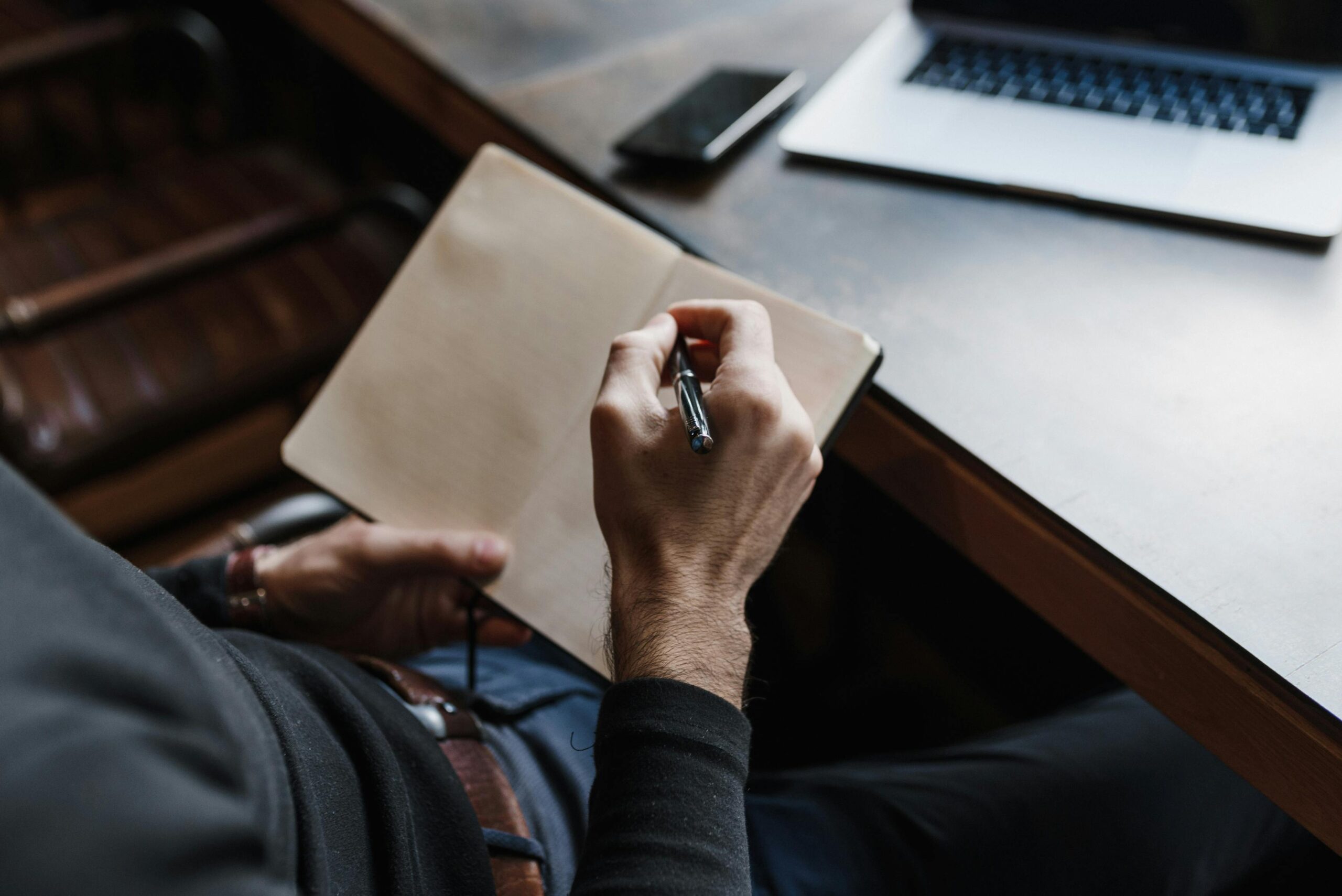
Experiment deliberately with both mediums. If you primarily work digitally, spend a week creating only with physical materials and notice what changes. If you’re analog-focused, explore digital tools with genuine openness. These experiments reveal insights about your creative process that theory alone cannot provide.
Consider your creative values. Do you prioritize efficiency and perfectibility? Digital tools excel here. Do you value the meditative process and physical artifacts? Analog creation delivers these experiences. Do you seek the unique qualities each offers? Hybrid approaches maximize flexibility.
The most fulfilling creative practice aligns with your authentic preferences while remaining adaptable. Neither dogmatic analog purism nor uncritical digital adoption serves creativity well. Instead, thoughtful selection of appropriate tools for each task, informed by deep understanding of both approaches, empowers truly versatile creative expression.
Beyond the Binary: Reframing the Conversation 🌟
The “analog versus digital” framing itself may be misleading. These aren’t opposing forces battling for dominance but rather complementary resources in an expanded creative toolkit. The richest creative culture embraces both, recognizing that diversity in methods and tools generates the most vibrant artistic ecosystems.
Historical perspective reveals that new technologies rarely eliminate existing ones completely—they change their contexts and uses. Photography didn’t kill painting; it freed painting from purely representational duties, enabling abstract expressionism and conceptual art. Digital photography hasn’t eliminated film; it’s transformed film into a deliberate aesthetic choice rather than the only option.
Similarly, digital creativity won’t supplant analog methods but will continue reshaping what analog practices mean and why people choose them. Some will select analog for its aesthetic qualities, others for its psychological benefits, still others for philosophical reasons about technology and human connection. These diverse motivations enrich creative culture rather than indicating one approach’s superiority.
The modern creative landscape offers unprecedented choice. We can paint with watercolors in the morning and design websites in the afternoon. We can photograph on film, scan the negatives, and share them globally. We can hand-letter a design, digitize it, and use it across multiple platforms. This abundance of options represents a golden age for creativity if we resist false dichotomies and embrace comprehensive possibilities.
Rather than asking which medium will reign supreme, ask how you can leverage both analog and digital tools to realize your unique creative vision. The answer will be different for everyone—and that diversity itself represents creativity’s greatest strength in the modern age.