
Creative blocks are one of the most frustrating experiences for artists, writers, designers, and anyone who relies on imagination to fuel their work and passions.

Whether you’re staring at a blank canvas, struggling to write the opening sentence of your novel, or feeling completely uninspired in your professional projects, mental blocks can make you question your abilities and derail your progress. The good news is that creativity isn’t a finite resource that simply runs out—it’s a skill that can be nurtured, protected, and reignited with the right strategies and mindset shifts.
Understanding why creative blocks happen and learning proven techniques to overcome them can transform your relationship with your creative work. This comprehensive guide will explore the psychology behind mental blocks, practical strategies to break through resistance, and sustainable habits that keep inspiration flowing consistently.
🧠 Understanding the Anatomy of Creative Blocks
Before you can effectively combat creative blocks, it’s essential to understand what’s actually happening in your brain and why these frustrating periods occur. Creative blocks aren’t signs of failure or proof that you’ve lost your talent—they’re natural psychological responses to various internal and external pressures.
Research in neuroscience shows that creativity involves complex interactions between different brain regions, particularly the default mode network (associated with imagination and daydreaming) and the executive control network (responsible for focus and decision-making). When stress, anxiety, or perfectionism dominate your mental state, these networks can become imbalanced, making it difficult to access your creative flow.
Common triggers for mental blocks include fear of judgment, overwhelming perfectionism, emotional exhaustion, lack of novel experiences, and environmental distractions. Recognizing which specific factors are affecting you is the first step toward developing targeted solutions.
The Perfectionism Trap: Your Worst Creative Enemy 🎯
Perfectionism might seem like a virtue, but it’s actually one of the most destructive forces working against your creative potential. When you demand that every idea be brilliant before you even begin, you create an impossible standard that paralyzes action and stifles experimentation.
The creative process is inherently messy and nonlinear. Most masterpieces started as rough drafts, failed experiments, and “bad” ideas that were refined over time. By embracing imperfection as part of the journey rather than something to avoid, you give yourself permission to create freely without the crushing weight of unrealistic expectations.
One powerful technique is implementing the “crappy first draft” principle. Give yourself explicit permission to create something terrible. Write the worst poem imaginable. Sketch the ugliest design. Once you remove the pressure of perfection, you’ll often find that ideas flow more naturally, and within that imperfect work lies the seed of something genuinely valuable.
Reframing Failure as Feedback
Shifting your perspective on failure can fundamentally change your creative experience. Instead of viewing unsuccessful attempts as proof of inadequacy, treat them as valuable data points that guide you toward better solutions. Every “failed” creative experiment teaches you something about what doesn’t work, narrowing the field and bringing you closer to what does.
Many successful creators maintain “failure journals” where they document projects that didn’t work out, analyzing what they learned from each experience. This practice transforms failure from a shameful secret into a proud record of bold experimentation and continuous growth.
Environmental Design: Creating Your Creativity Sanctuary 🏡
Your physical environment has a profound impact on your mental state and creative output. A cluttered, distracting, or uninspiring workspace can drain your energy and make it nearly impossible to enter a flow state, while a thoughtfully designed creative space can prime your brain for inspired work.
Start by assessing your current workspace honestly. Is it filled with distractions? Does it feel comfortable and inviting? Does it contain visual inspiration or stimuli that spark your imagination? Small changes can yield significant results in how you feel when sitting down to create.
Consider these environmental optimization strategies:
- Natural light exposure: Position your workspace near windows when possible, as natural light regulates circadian rhythms and improves mood
- Inspiration boards: Create physical or digital collections of images, quotes, and objects that resonate with your creative vision
- Minimize digital distractions: Use website blockers and phone settings to eliminate social media and notification interruptions during creative sessions
- Personalize strategically: Add plants, artwork, or meaningful objects that make the space feel uniquely yours without creating visual clutter
- Temperature and comfort: Research shows cognitive performance peaks at specific temperature ranges (around 70-72°F); adjust accordingly
The Power of Routine: Building Consistent Creative Habits ⏰
While spontaneous inspiration feels magical, relying solely on motivation is a recipe for inconsistent output and frequent blocks. The most prolific creators don’t wait for inspiration—they show up consistently and let inspiration find them at work.
Establishing a regular creative routine trains your brain to enter a productive state at specific times and in specific contexts. This conditioning effect means that over time, creativity becomes less dependent on fleeting feelings and more like a reliable skill you can access on demand.
Your routine doesn’t need to be elaborate or time-consuming. Even 15-30 minutes of dedicated creative practice daily can yield remarkable results over weeks and months. The key is consistency and showing up even when you don’t feel particularly inspired.
Morning Pages and Stream-of-Consciousness Writing
One of the most effective techniques for overcoming mental blocks is the practice of morning pages, popularized by Julia Cameron in “The Artist’s Way.” This involves writing three pages of longhand, stream-of-consciousness thoughts first thing each morning, before your inner critic fully awakens.
This practice serves multiple purposes: it clears mental clutter, bypasses perfectionism, maintains your creative muscles even during uninspired periods, and often reveals insights or ideas buried beneath surface-level thoughts. Many creators report that their morning pages frequently contain the seeds of their best work, discovered almost accidentally through this unjudged, free-flowing process.
Breaking the Block: Tactical Intervention Strategies 💡
When you’re in the midst of a creative block, sometimes you need immediate, practical techniques to shift your mental state and restart the creative engine. These tactical interventions can break the paralysis and create momentum.
The 5-Minute Rule: Commit to working on your creative project for just five minutes with no expectations beyond showing up. Often, the hardest part is starting, and once you’re engaged, you’ll naturally continue beyond the initial commitment.
Change Your Medium: If you’re a writer, try drawing. If you’re a visual artist, try writing poetry. Working in an unfamiliar medium removes the pressure of expertise and can unlock different cognitive pathways, generating fresh perspectives you can apply to your primary work.
Constraint-Based Creation: Paradoxically, limitations often boost creativity. Set arbitrary constraints like “create something using only three colors” or “write a story in exactly 100 words.” These boundaries focus your attention and force innovative solutions within a defined space.
Physical Movement: Neuroscience research consistently shows that physical activity enhances creative thinking. A brisk walk, dance break, or yoga session can reset your mental state and trigger fresh insights. Many creators report breakthrough ideas arriving during or immediately after exercise.
Feeding Your Creative Well: Input Strategies for Sustained Inspiration 📚
Creative output requires sufficient creative input. If you’re constantly creating without replenishing your mental reservoir with new experiences, ideas, and perspectives, eventually you’ll find yourself drawing from an empty well.
Intentionally curating diverse and enriching inputs is essential for long-term creative vitality. This doesn’t mean passive consumption of content—it means actively seeking experiences that challenge your thinking, expose you to unfamiliar perspectives, and spark curiosity.
Effective input strategies include:
- Cross-pollination: Explore creative fields outside your specialty—musicians studying architecture, writers learning about physics, designers exploring poetry
- Conversation with diverse thinkers: Engage in meaningful discussions with people whose backgrounds and viewpoints differ from yours
- Deliberate novelty: Regularly try new activities, visit unfamiliar places, or break your routine to expose yourself to fresh stimuli
- Deep reading: Move beyond surface-level scrolling to engage with complex books, essays, and long-form content that requires sustained attention
- Nature immersion: Research demonstrates that time in natural settings restores attention capacity and enhances creative problem-solving
The Social Dimension: Community as Creative Catalyst 👥
While creativity often feels like a solitary pursuit, human connection plays a vital role in sustaining inspiration and overcoming blocks. Isolation can amplify self-doubt and deprive you of the feedback, encouragement, and collaborative energy that fuel creative growth.
Building relationships with fellow creators provides accountability, fresh perspectives, and emotional support during challenging periods. Whether through formal critique groups, online communities, or informal creative friendships, surrounding yourself with people who understand the creative journey makes a profound difference.
Consider joining or forming a creative accountability group where members share goals, celebrate progress, and provide constructive feedback. The simple act of declaring your intentions to others and knowing someone will check in on your progress can be remarkably motivating.
Learning to Receive and Give Constructive Feedback
Feedback is essential for growth, but learning to receive it without defensiveness or devastation is a skill in itself. When receiving critique, practice separating your identity from your work, focusing on specific actionable insights rather than global judgments, and remembering that all feedback is subjective and filtered through someone else’s preferences and experiences.
Equally important is developing the ability to give thoughtful, constructive feedback to others. This practice trains you to think analytically about creative work, strengthens your own critical judgment, and contributes to a supportive creative community that elevates everyone involved.
Mindfulness and Mental Spaciousness: Creating Room for Ideas 🧘
In our hyperconnected, constantly stimulated world, boredom and mental spaciousness have become rare commodities. Yet these supposedly “unproductive” states are actually when our brains process information, make unexpected connections, and generate genuinely original ideas.
Practices like meditation, mindful walking, or simply sitting quietly without devices create the mental space necessary for creativity to emerge. These practices strengthen your ability to observe thoughts without immediately judging or acting on them, creating distance from the inner critic that often triggers creative blocks.
You don’t need extensive meditation experience to benefit from mindfulness. Even five minutes of focused breathing or body awareness can calm an anxious mind and create openness to inspiration. Many creators find that their best ideas arrive not during intense focus, but during these relaxed, receptive states.
Cyclical Creativity: Honoring Natural Rhythms and Rest Periods 🌙
The cultural mythology of the always-productive, constantly inspired creator is not only unrealistic but actually counterproductive. Creativity naturally flows in cycles, with periods of intense output followed by necessary rest and integration.
Fighting against these natural rhythms leads to burnout, resentment toward your creative work, and increasingly severe blocks. Instead, learning to recognize and honor your creative cycles allows you to work with your natural energy patterns rather than against them.
This means giving yourself genuine permission to rest without guilt, recognizing that rest isn’t laziness but an essential part of the creative process. During fallow periods, your subconscious continues processing ideas, integrating influences, and preparing for the next productive phase.
Track your energy and creative output patterns over several weeks or months. You may notice rhythms related to time of day, lunar cycles, seasons, or other factors. Once you identify your patterns, you can structure your schedule to work with rather than against them, tackling demanding creative work during your peak periods and using low-energy times for administrative tasks or input activities.
Technology as Tool and Obstacle: Finding the Right Balance 📱
Digital tools offer unprecedented access to resources, communities, and distribution channels for creative work. However, the same technology that enables connection and learning can also fragment attention, trigger comparison anxiety, and distract from the deep focus creativity requires.
Developing a conscious, intentional relationship with technology is essential for modern creators. This means actively choosing which tools genuinely serve your creative goals and which simply create the illusion of productivity while actually draining your energy and attention.
Consider implementing technology boundaries such as device-free creative sessions, scheduled times for social media rather than constant checking, and apps that block distracting websites during work periods. The goal isn’t to completely eliminate technology but to use it deliberately rather than reactively.
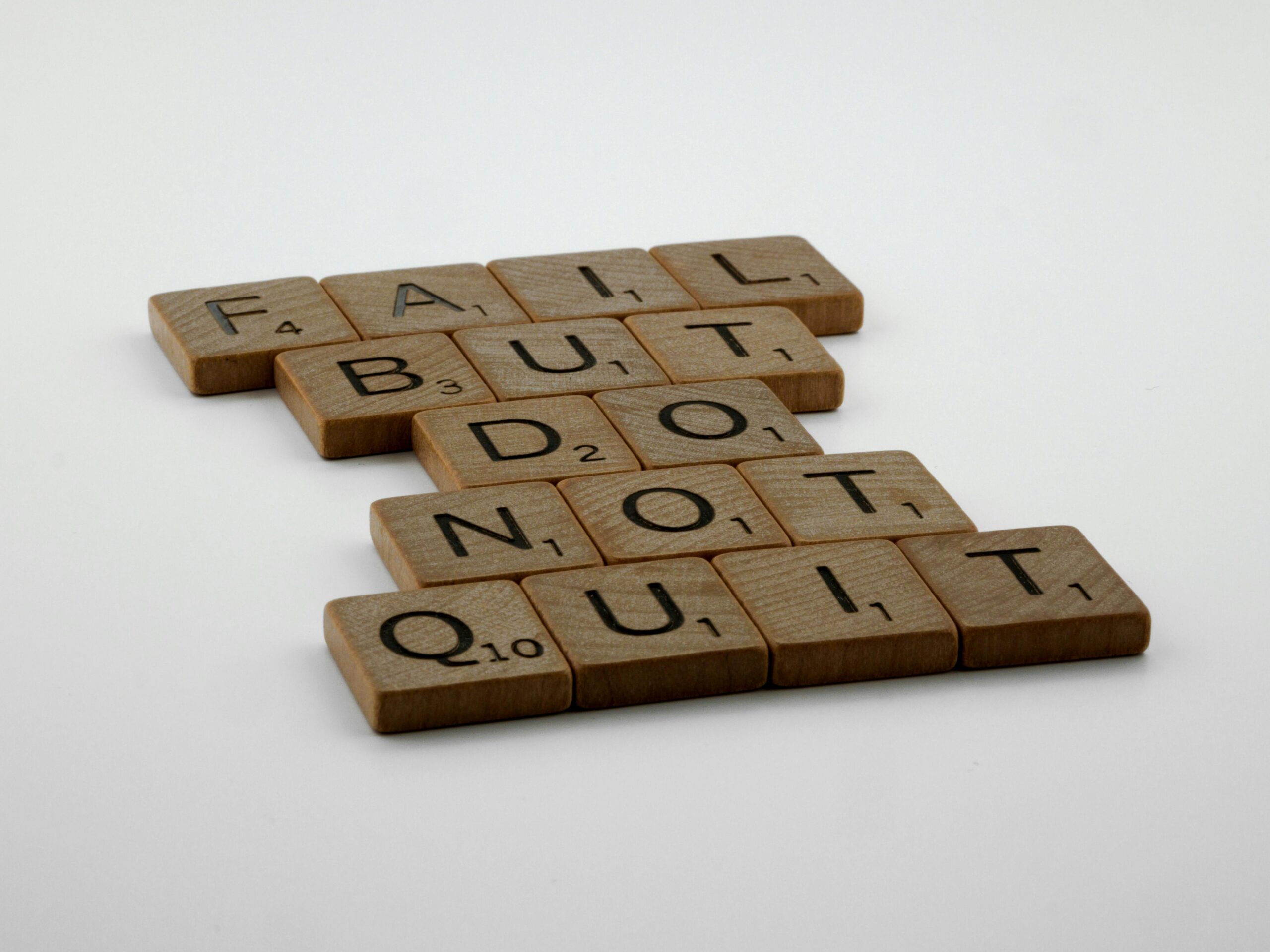
Rekindling Your Creative Fire: Long-Term Sustenance Strategies 🔥
Overcoming a single creative block is valuable, but developing resilience and sustainable practices that prevent or minimize future blocks is even more powerful. Long-term creative vitality comes from understanding yourself deeply—what energizes versus depletes you, what environments support your best work, and what practices keep your inspiration flowing.
Regular creative check-ins help maintain this self-awareness. Monthly or quarterly, assess what’s working in your creative practice and what isn’t. Are your current projects still exciting? Does your routine need adjustment? Are you getting sufficient input and rest? This ongoing reflection allows you to course-correct before minor issues become major blocks.
Remember that your creative journey is uniquely yours. Strategies that work brilliantly for others might not suit your temperament, schedule, or creative goals. Give yourself permission to experiment, adapt techniques to fit your needs, and ultimately trust your own experience about what unlocks your creative potential.
Creative blocks, while frustrating, are not permanent states or signs of lost talent. They’re temporary obstacles that can be overcome with the right combination of mindset shifts, practical strategies, and self-compassion. By understanding the psychology behind blocks, implementing proven techniques, and developing sustainable creative habits, you can move from sporadic inspiration to consistent creative flow. Your creative potential isn’t something that needs to be found—it’s already within you, waiting to be unleashed through patience, practice, and the courage to create imperfectly. ✨