
Accessibility and inclusive design are no longer optional features—they are fundamental rights that shape how millions of people interact with the world around them every single day.

In a world where digital transformation touches nearly every aspect of our lives, the way we design products, services, and spaces determines who gets to participate fully in society. From the apps we use daily to the buildings we enter, accessibility choices either open doors or create insurmountable barriers. The power of inclusive design lies not just in compliance with regulations, but in recognizing the inherent dignity and potential of every human being, regardless of their abilities.
When we talk about accessibility, we’re discussing more than wheelchair ramps and screen readers. We’re addressing a fundamental shift in how we approach design thinking—moving from a model that treats accessibility as an afterthought to one that embeds it into the core of creation. This transformation isn’t just morally right; it’s economically smart, creatively enriching, and socially essential.
🌍 Understanding the True Scope of Accessibility
According to the World Health Organization, over 1.3 billion people—approximately 16% of the global population—experience significant disability. This staggering number represents not a niche market, but a substantial portion of humanity that deserves equal access to information, services, and opportunities. Yet these statistics only tell part of the story.
Accessibility benefits extend far beyond those with permanent disabilities. Situational limitations affect everyone at different points: a parent holding a baby while trying to use their phone, someone with a broken arm, an older adult experiencing age-related changes, or anyone in a noisy environment struggling to hear audio content. Inclusive design acknowledges this spectrum of human experience.
The disability community itself is incredibly diverse, encompassing visual, auditory, motor, cognitive, and neurological differences. Each category presents unique challenges and requires thoughtful design solutions. A person who is deaf experiences the digital world differently than someone with limited mobility, and effective accessibility must address this full range of needs without creating new barriers in the process.
💡 The Principles That Guide Inclusive Design
Inclusive design rests on several core principles that distinguish it from traditional approaches. First and foremost is the concept of universal usability—creating solutions that work for the widest possible range of people without requiring adaptation or specialized design. This doesn’t mean one-size-fits-all, but rather flexible systems that accommodate diverse needs.
Equitable use ensures that design is useful and marketable to people with diverse abilities. No user should feel segregated or stigmatized by accessing features designed to meet their needs. When captions appear on videos, they benefit not only deaf users but also people in quiet libraries, those learning a new language, and anyone who processes information better through text.
Flexibility in use is another cornerstone principle. Systems should accommodate a wide range of individual preferences and abilities, offering choices in methods of use. Whether someone prefers keyboard navigation, voice commands, touch interfaces, or assistive technologies, the experience should remain seamless and dignified.
Perceptible information represents the commitment to communicate necessary information effectively, regardless of ambient conditions or the user’s sensory abilities. This principle drives the use of multiple modes of presentation—visual, auditory, and tactile—to ensure critical information reaches everyone.
🚀 Technology as an Equalizer
Digital technology has created unprecedented opportunities for accessibility innovation. Screen readers transform visual content into audio or braille output, enabling blind and low-vision users to navigate websites, documents, and applications. Voice recognition software allows people with limited mobility to control devices and create content using speech alone.
Artificial intelligence is opening new frontiers in accessibility. Real-time captioning powered by machine learning provides instantaneous text transcription of spoken content. Image recognition technology can describe photographs to blind users, while predictive text and autocomplete features assist people with motor difficulties or learning disabilities.
Mobile devices have become particularly transformative accessibility tools. Built-in features like VoiceOver, TalkBack, magnification, color filters, and haptic feedback have made smartphones remarkably accessible right out of the box. Apps designed with accessibility in mind can provide navigation assistance, communication support, and independence-enhancing tools.
However, technology alone isn’t the answer. Without intentional design choices, new technologies can create new barriers. Touchscreens without tactile feedback, gesture-based interfaces without alternatives, and AI systems trained on biased datasets can all exclude rather than include. The key is combining technological capability with human-centered design thinking.
🏢 Accessibility in Physical Spaces
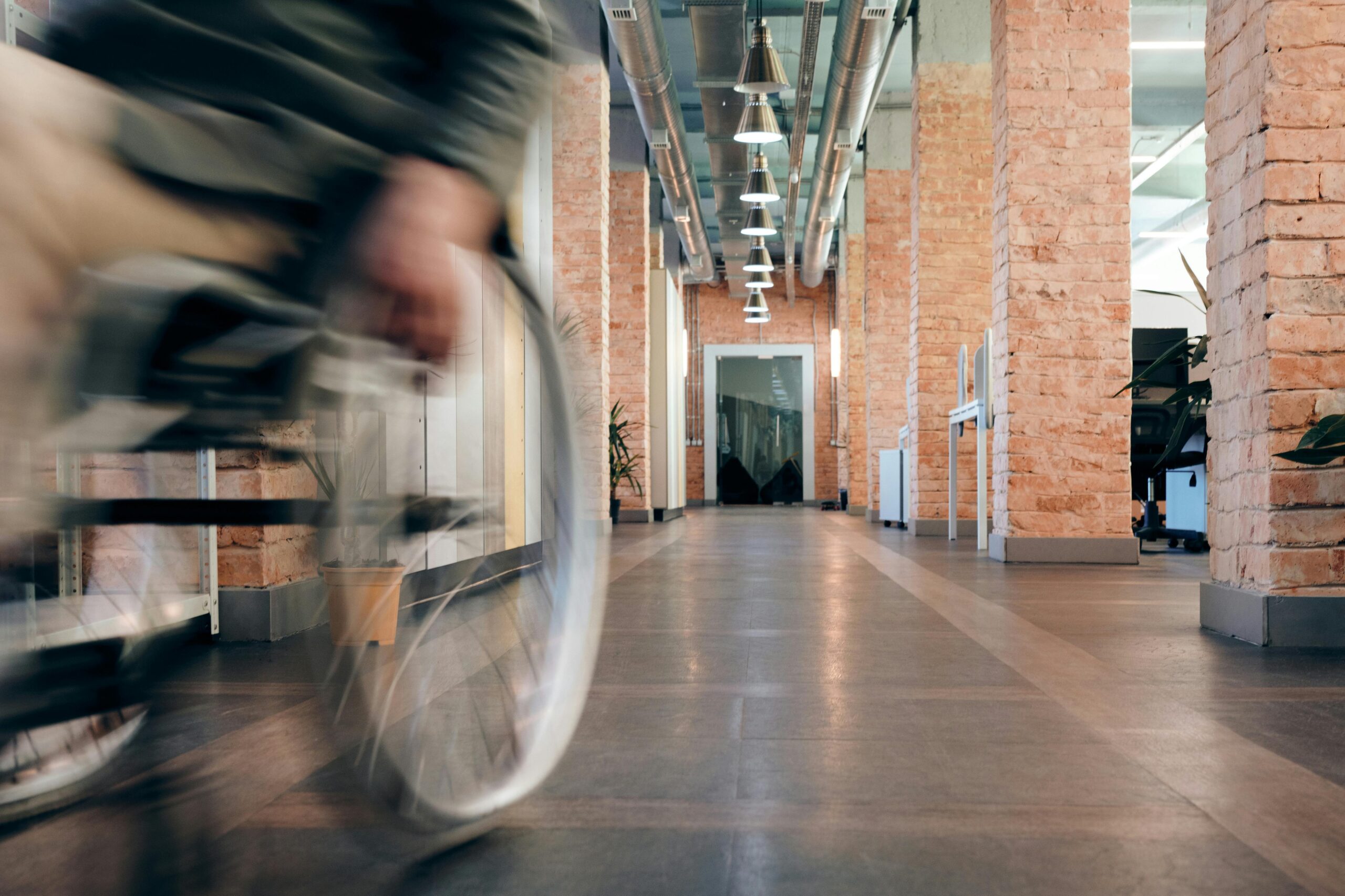
While digital accessibility often dominates contemporary conversations, physical accessibility remains equally crucial. The built environment profoundly impacts people’s ability to work, learn, shop, socialize, and participate in civic life. Architectural barriers aren’t just inconvenient—they’re exclusionary.
Universal design in architecture goes beyond minimum compliance with building codes. It considers diverse body sizes and abilities, provides multiple ways to navigate spaces, ensures clear sightlines and wayfinding, incorporates appropriate lighting and acoustics, and creates environments that are intuitive to use regardless of experience or cognitive ability.
Forward-thinking cities are reimagining urban design through an accessibility lens. Curb cuts—originally designed for wheelchair users—now benefit parents with strollers, delivery workers with carts, cyclists, and anyone with wheeled luggage. This phenomenon, known as the “curb-cut effect,” demonstrates how accessibility improvements benefit everyone.
Sensory-friendly design is gaining recognition, particularly in public spaces. Reducing overwhelming stimuli, providing quiet zones, using clear signage with simple language and symbols, and offering predictable layouts all create more welcoming environments for people with autism, sensory processing disorders, anxiety, and other conditions.
📱 Digital Accessibility Standards and Best Practices
The Web Content Accessibility Guidelines (WCAG) provide the internationally recognized standard for digital accessibility. These guidelines organize requirements around four principles: content must be perceivable, operable, understandable, and robust. Each principle breaks down into specific, testable criteria that guide developers and designers.
Perceivability ensures that information and user interface components are presented in ways users can perceive. This includes providing text alternatives for images, captions for videos, adaptable layouts that work across devices and assistive technologies, and sufficient color contrast between text and backgrounds.
Operability requires that interface components and navigation be operable by various input methods. Users must be able to navigate using a keyboard alone, have adequate time to read and use content, avoid content that could cause seizures or physical reactions, and easily find and navigate to desired content.
Understandability means information and user interface operation must be understandable. Text should be readable, pages should appear and operate in predictable ways, and users should receive help avoiding and correcting mistakes through clear error messages and suggestions.
Robustness ensures content can be reliably interpreted by a wide variety of user agents, including assistive technologies. This requires using clean, semantic code that works with current and future tools people use to access digital content.
💼 The Business Case for Accessibility
Beyond moral imperatives, compelling business reasons support investment in accessibility and inclusive design. The global disability market represents enormous purchasing power—estimated at over $8 trillion annually when including family and friends. Companies that ignore accessibility literally exclude millions of potential customers.
Accessible products often deliver better user experiences for everyone. Captions benefit people in noisy or quiet environments. Voice controls help busy multitaskers. Clear navigation assists users in a hurry. Well-structured content improves search engine optimization. These improvements boost engagement, satisfaction, and conversion rates across the board.
Legal compliance provides another driver. Accessibility lawsuits have increased dramatically, with companies facing significant financial penalties and reputational damage. Proactive accessibility investment costs far less than reactive remediation after legal action, not to mention the incalculable cost of excluding customers.
Innovation often springs from accessibility constraints. Solving for edge cases pushes creative boundaries and produces breakthrough solutions. The typewriter was invented to help a blind countess write legibly. Email was popularized partly because it enabled deaf professionals to communicate more effectively. Accessibility challenges spark creativity.
Inclusive hiring practices tap into often-overlooked talent pools. People with disabilities bring unique perspectives and problem-solving approaches. Companies committed to accessibility in their products often extend that commitment to workplace accessibility, gaining access to skilled, loyal employees and building teams that better reflect their customer base.
🎨 Designing with Empathy and Purpose
Creating accessible experiences requires genuine empathy—the ability to understand and share the feelings of others. Designers must move beyond assumptions about “normal” users and recognize the vast spectrum of human ability and experience. This doesn’t mean designing for every possible scenario simultaneously, but rather building flexible systems that accommodate variation.
Involving people with disabilities in the design process is absolutely essential. The disability rights movement’s slogan “Nothing About Us Without Us” captures this perfectly. Authentic participation means more than token consultation—it means compensating disability consultants fairly, incorporating feedback meaningfully, and recognizing lived experience as expertise.
Accessibility personas help design teams keep diverse users in mind throughout development. Unlike traditional marketing personas, accessibility personas focus on functional abilities, assistive technologies used, and specific barriers encountered. These tools help teams anticipate challenges and test solutions against realistic scenarios.
Testing with real users who have disabilities reveals issues that automated tools miss. While automated testing catches many technical violations, only human testing uncovers usability problems. People navigate content in surprising ways, and observing actual usage patterns provides invaluable insights for improvement.
🌟 Success Stories That Inspire Change
Microsoft’s inclusive design initiatives demonstrate how large corporations can lead accessibility innovation. Their Adaptive Controller for Xbox, created with input from gamers with limited mobility, received widespread acclaim for its thoughtful design and opened gaming to people previously excluded. The product showcased how disability-focused design could achieve mainstream appeal.
The BBC’s commitment to accessibility spans its digital platforms and broadcast content. Subtitles, audio description, British Sign Language interpretation, and accessible web design ensure public broadcasting truly serves all members of the public. This comprehensive approach sets industry standards and proves accessibility at scale is achievable.
Seeing AI, a free app developed by Microsoft, uses artificial intelligence to describe the world for blind and low-vision users. It can identify friends, read text, describe scenes, scan barcodes, and even sense emotions on faces. The app demonstrates how cutting-edge technology can be harnessed specifically for accessibility purposes.
Starbucks opened its first signing store in Washington, D.C., designed specifically to serve deaf and hard-of-hearing customers and staffed primarily by employees who are deaf. The store features custom acoustic panels, visual order displays, and staff trained in American Sign Language, creating an inclusive environment that celebrates deaf culture while serving all customers.
⚡ Overcoming Common Barriers to Implementation
Despite growing awareness, significant barriers still prevent widespread accessibility adoption. Lack of knowledge tops the list—many designers and developers simply don’t know how to create accessible products or underestimate the importance. Education and training programs can address these knowledge gaps effectively.
Misconceptions about cost often discourage accessibility investment. While retrofitting inaccessible products is expensive, building accessibility from the start adds minimal cost—often less than 1% of total development budgets. The key is integrating accessibility into existing workflows rather than treating it as a separate, costly addition.
Organizational culture can either enable or obstruct accessibility progress. Without leadership commitment and clear accountability, accessibility initiatives struggle. Successful organizations establish accessibility policies, provide necessary training and resources, include accessibility in performance metrics, and celebrate accessibility achievements.
Technical debt accumulated from years of inaccessible code creates daunting remediation challenges. Many organizations face legacy systems built without accessibility consideration. Addressing this requires prioritizing remediation, establishing new standards for future development, and gradually improving existing products while ensuring new features are accessible from launch.
🔮 The Future of Accessibility and Inclusive Design
Emerging technologies promise to advance accessibility further. Brain-computer interfaces could enable people with severe physical disabilities to control devices through thought alone. Augmented reality could overlay helpful information onto the physical world, assisting navigation or providing real-time translation. Haptic feedback innovations could make touchscreens more accessible to blind users.
Artificial intelligence will increasingly personalize accessibility features. Systems might automatically adjust interfaces based on detected user needs, provide context-aware assistance, or translate content into formats that work best for individual users—all happening seamlessly in the background.
Accessibility regulations are evolving worldwide. The European Accessibility Act, similar legislation in other countries, and increasingly strict enforcement signal that accessibility is moving from optional best practice to legal requirement. Organizations that get ahead of these trends position themselves advantageously.
Cultural shifts toward inclusion and diversity naturally encompass disability rights. As societies become more aware of various forms of discrimination and work toward equity, disability discrimination receives appropriate attention. This cultural momentum supports accessibility efforts and helps overcome resistance.
✨ Creating Your Own Impact
Individual actions collectively drive systemic change. Developers can learn accessibility best practices and advocate for their implementation. Designers can expand their empathy and include diverse users in research. Content creators can add captions, write descriptive alt text, and use clear language. Managers can prioritize accessibility in project planning and resource allocation.
Consumers wield significant power through purchasing decisions and feedback. Supporting companies that prioritize accessibility, providing feedback about barriers encountered, and sharing accessible alternatives all influence corporate behavior. Social media amplifies individual voices, making company accountability more visible.
Accessibility audits of your own digital properties reveal improvement opportunities. Numerous free tools check basic compliance, while professional auditors provide comprehensive assessments. Understanding current accessibility levels establishes baselines for measuring progress and identifying priority issues.
Continuous learning keeps pace with evolving best practices and technologies. Accessibility is not a one-time checkbox but an ongoing commitment. Following accessibility experts, attending conferences, participating in communities, and staying current with guidelines ensures sustained improvement rather than static compliance.
The journey toward a more accessible and equitable world requires collective effort across disciplines, industries, and communities. Every accessible product, inclusive space, and thoughtful interaction contributes to breaking down barriers that have excluded millions for too long. Accessibility isn’t about charity or special treatment—it’s about recognizing fundamental human rights and designing a world that works for everyone.
When we embrace accessibility and inclusive design, we don’t just help people with disabilities; we create better experiences for everyone. We foster innovation, expand markets, demonstrate empathy, and build the foundation for a truly equitable society. The power to create change lies in every design decision, every line of code, every construction plan, and every policy we adopt. Breaking barriers isn’t just possible—it’s happening right now, one inclusive choice at a time. 🌈