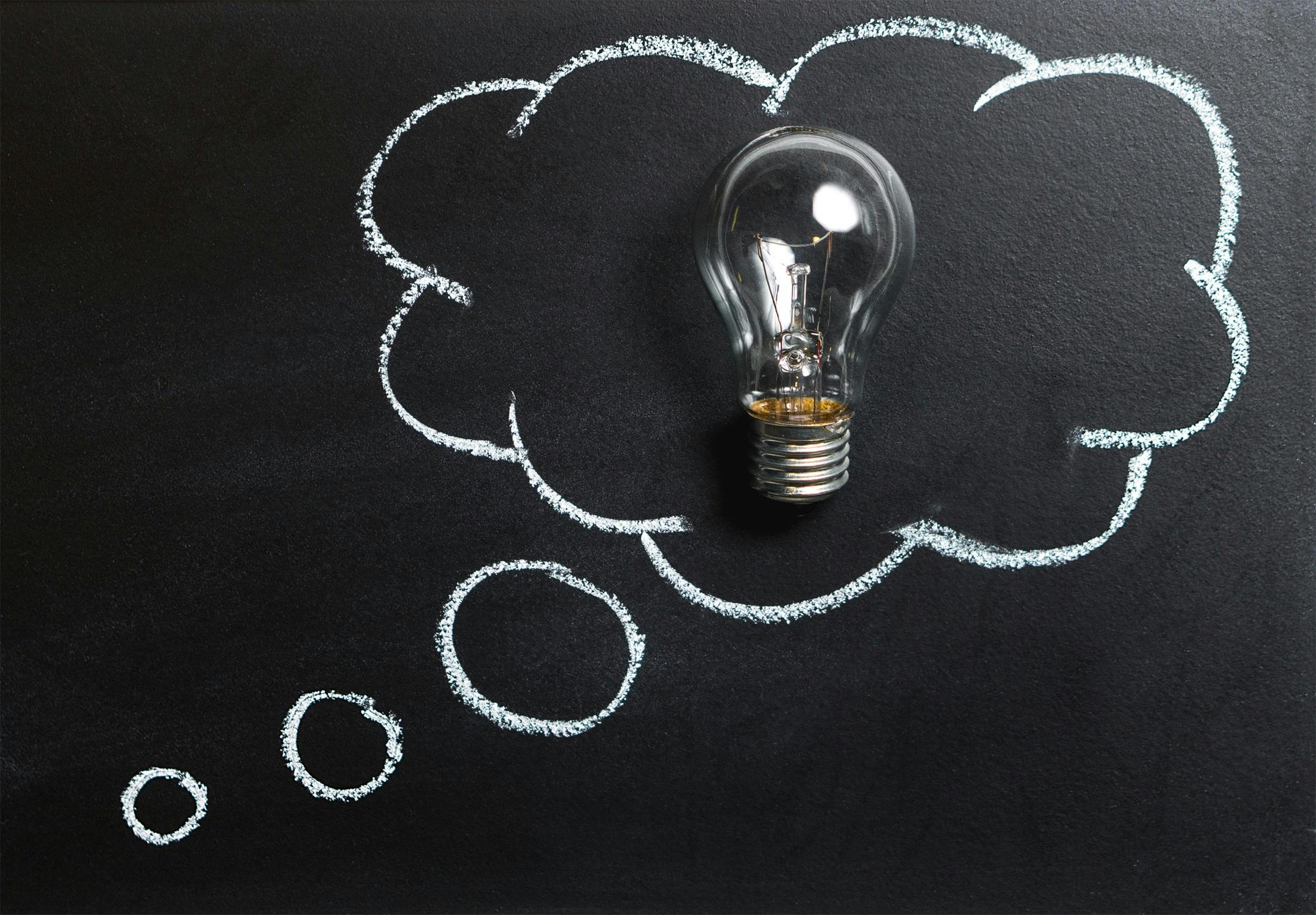
Innovation and creativity aren’t just gifts reserved for the chosen few—they’re psychological processes everyone can unlock with the right understanding and approach. 🎯

In today’s rapidly evolving world, originality has become the currency of progress. Whether you’re an entrepreneur launching a startup, an artist seeking your unique voice, or a professional solving complex problems, understanding the psychology behind innovation can transform how you approach creative challenges. The human brain is wired for creativity, yet many of us struggle to access this innate potential consistently.
This article explores the fascinating intersection of psychology, neuroscience, and creativity, revealing how we can cultivate originality and harness innovation in our daily lives. By understanding the mental mechanisms that drive creative thinking, we can develop practical strategies to enhance our innovative capabilities and break free from conventional thought patterns.
The Neuroscience of Creative Thinking
The creative brain operates differently than the analytical mind. Neuroscientific research has revealed that innovation emerges from the dynamic interplay between multiple brain networks, particularly the default mode network (DMN) and the executive control network (ECN). When these systems work in harmony, breakthrough ideas can emerge.
The default mode network activates during daydreaming, mind-wandering, and moments of relaxation. This is when your brain makes unexpected connections between seemingly unrelated concepts—the foundation of creative insight. Meanwhile, the executive control network helps evaluate and refine these ideas, determining which ones have practical value.
Interestingly, the most innovative thinkers demonstrate an unusual ability to activate both networks simultaneously, a state neuroscientists call “flexible connectivity.” This explains why some of history’s greatest innovations occurred during walks, showers, or dreams—moments when the brain wasn’t actively focused on problem-solving but remained engaged with the challenge.
The Role of Dopamine in Creative Expression
Dopamine, the neurotransmitter associated with reward and motivation, plays a crucial role in creative thinking. Higher dopamine levels in the brain’s frontal lobes correlate with enhanced divergent thinking—the ability to generate multiple solutions to open-ended problems. This neurochemical foundation explains why mood, environment, and even certain activities can significantly impact our creative output.
Breaking Free from Cognitive Constraints 🧠
One of the greatest obstacles to originality is our own cognitive biases. The human brain evolved to recognize patterns and create mental shortcuts, which helps us navigate daily life efficiently but can severely limit innovative thinking. These cognitive constraints include functional fixedness, confirmation bias, and the anchoring effect.
Functional fixedness causes us to see objects or concepts only in their traditional context. For example, a paperclip is just a fastener until creative thinking transforms it into a lock pick, zipper pull, or makeshift bookmark. Overcoming this limitation requires deliberate practice in seeing beyond conventional uses and applications.
Confirmation bias leads us to seek information that confirms our existing beliefs while ignoring contradictory evidence. This mental trap prevents the cognitive flexibility necessary for innovation. The most creative individuals actively seek out perspectives that challenge their assumptions, creating cognitive dissonance that ultimately leads to breakthrough thinking.
The Power of Constraints in Fostering Innovation
Paradoxically, limitations can actually enhance creativity. Research consistently shows that moderate constraints force our brains to think more creatively, searching for novel solutions within defined boundaries. This is why Twitter’s original 140-character limit sparked incredibly creative communication, or why limited budgets often produce the most innovative business solutions.
The key is finding the sweet spot—too few constraints lead to aimless thinking, while too many restrictions stifle creativity entirely. Strategic constraints channel creative energy toward productive innovation rather than overwhelming us with infinite possibilities.
The Psychology of Divergent and Convergent Thinking
Understanding the two primary modes of creative thinking is essential for unlocking originality. Divergent thinking involves generating multiple possible solutions, exploring various angles, and embracing ambiguity. Convergent thinking, conversely, focuses on evaluating options and selecting the best solution based on specific criteria.
Most people naturally favor one thinking style over the other, but true innovation requires fluency in both. The creative process typically begins with divergent exploration—brainstorming without judgment, making unusual associations, and questioning assumptions. This phase thrives on quantity over quality, allowing even seemingly absurd ideas to surface.
Following this expansive phase, convergent thinking helps refine and implement the most promising concepts. This analytical stage applies logic, feasibility assessment, and strategic planning to transform creative insights into actionable innovations. The dance between these two modes creates a complete creative cycle.
Developing Your Divergent Thinking Skills
Strengthening divergent thinking abilities requires intentional practice. Techniques like mind mapping, random word association, and SCAMPER (Substitute, Combine, Adapt, Modify, Put to other uses, Eliminate, Reverse) provide structured approaches to expansive thinking. Regular engagement with these methods builds mental flexibility and expands your creative range.
Additionally, exposing yourself to diverse experiences, cultures, and disciplines feeds your divergent thinking capabilities. The more varied your mental database of knowledge and experience, the more unusual connections your brain can make when facing creative challenges.
The Environmental Factors That Influence Originality 🌱
Creativity doesn’t occur in a vacuum—our environment profoundly impacts our innovative capacity. Physical spaces, social dynamics, and organizational cultures either nurture or suppress original thinking. Understanding these environmental factors allows us to design conditions that maximize creative potential.
Physical environment matters more than most people realize. Natural light, access to nature, ambient noise levels, and even ceiling height affect creative performance. Research shows that moderate ambient noise (around 70 decibels) enhances creative cognition compared to silence or loud environments. This explains why many people report increased creativity in coffee shops.
Color psychology also plays a role—blue tones promote calm, expansive thinking conducive to creativity, while red increases attention to detail and analytical thinking. The arrangement of workspace elements, from organized chaos to minimalist design, should align with individual creative preferences rather than following one-size-fits-all approaches.
The Social Dynamics of Innovation
While we often romanticize the lone genius, most breakthrough innovations emerge from collaborative environments where diverse perspectives intersect. Psychological safety—the belief that one can express ideas without fear of ridicule or punishment—is perhaps the most critical factor in creative team dynamics.
High-performing creative teams balance several tensions: homogeneity versus diversity, cooperation versus healthy debate, and structure versus flexibility. Too much similarity leads to groupthink, while excessive conflict creates dysfunction. The most innovative groups cultivate respectful disagreement and constructive challenge alongside psychological safety.
Overcoming Creative Blocks and Fear of Failure
Every creative journey encounters obstacles, from the dreaded blank page to imposter syndrome. These blocks aren’t signs of inadequate creativity but predictable psychological patterns that can be understood and overcome. Fear of failure stands as the primary psychological barrier to originality.
Our educational and professional systems often punish failure, creating deep-seated anxiety around making mistakes. However, innovation requires experimentation, and experimentation inevitably includes failures. Reframing failure as data collection rather than personal inadequacy transforms the emotional experience and removes psychological barriers to risk-taking.
The concept of “productive failure” recognizes that struggling with problems before receiving solutions actually enhances learning and creative problem-solving abilities. When we protect ourselves from all possibility of failure, we simultaneously block access to breakthrough innovation. Embracing calculated risks and viewing setbacks as learning opportunities becomes essential for sustained creativity.
Practical Strategies for Moving Past Creative Blocks
When facing creative blocks, several evidence-based strategies can restore flow. The Pomodoro Technique—working in focused 25-minute intervals followed by short breaks—leverages our brain’s natural attention rhythms. Physical movement, particularly walking, increases creative thinking by approximately 60% according to Stanford research.
Changing your environment, even temporarily, disrupts habitual thought patterns and can trigger new perspectives. Similarly, engaging with a completely different creative domain (musicians trying visual art, writers attempting cooking) activates dormant neural pathways and refreshes creative energy for your primary work.
The Role of Mindfulness and Mental Space in Innovation 🧘
In our hyperconnected, constantly stimulated modern world, creating mental space has become increasingly difficult—and increasingly crucial for originality. The paradox of innovation is that it often requires doing nothing. Boredom, once considered a negative state, is now recognized as essential for creative thinking.
When we constantly consume content, respond to notifications, and fill every moment with stimulation, we deny our brains the processing time needed for creative insight. The default mode network, crucial for making novel connections, activates during downtime. Without regular periods of understimulation, we limit our creative capacity.
Mindfulness practices strengthen the attention control necessary for both divergent and convergent thinking. By training our ability to notice thoughts without judgment and redirect attention intentionally, we develop the mental flexibility that underlies creative thinking. Even brief daily mindfulness practice—five to ten minutes—can measurably enhance creative performance.
Building Incubation Time Into Your Creative Process
The incubation effect describes how stepping away from a problem often leads to sudden insight upon return. This phenomenon occurs because the unconscious mind continues processing information even when conscious attention shifts elsewhere. Strategic breaks aren’t procrastination—they’re essential phases of the creative process.
Successful innovators build incubation time into their workflows deliberately. After intensive work sessions, they engage in activities that allow mind-wandering: walking without podcasts, showering without planning, or simply staring out windows. These practices might appear unproductive, but they’re when breakthrough ideas most frequently emerge.
Cultivating a Growth Mindset for Sustained Creativity
Carol Dweck’s research on mindset reveals that believing abilities can be developed through effort (growth mindset) versus believing talents are fixed traits (fixed mindset) profoundly impacts creative achievement. People with growth mindsets embrace challenges, persist through obstacles, and view effort as the path to mastery—all essential for sustained innovation.
A fixed mindset creates performance anxiety that inhibits creative risk-taking. When you believe your creativity is a fixed quantity that might be revealed as inadequate, you avoid situations that could expose limitations. Conversely, viewing creativity as a skill that strengthens with practice removes this psychological barrier and encourages the experimentation necessary for originality.
Developing a growth mindset around creativity involves reframing your self-talk, celebrating effort over outcomes, and recognizing that every creative person—even recognized geniuses—produced substantial amounts of mediocre work alongside their masterpieces. Quantity leads to quality in creative endeavors because each attempt builds skills and generates material for refinement.
The Intersection of Expertise and Originality 💡
A common misconception suggests that deep expertise constrains creativity, while beginner’s mind fosters innovation. Reality is more nuanced. While excessive specialization can create rigidity, foundational expertise in a domain provides the building blocks for genuine innovation. The most groundbreaking ideas typically come from people with substantial knowledge who can recombine existing concepts in novel ways.
However, cross-domain expertise—knowledge spanning multiple fields—predicts innovative capacity even more strongly than deep specialization. When you understand principles from diverse disciplines, you can apply frameworks from one area to problems in another, creating truly original solutions. This is why polymaths and interdisciplinary thinkers drive disproportionate innovation.
The ideal combination balances depth in at least one domain with breadth across multiple areas. This T-shaped knowledge profile provides both the credibility and technical skill to implement ideas while maintaining the cognitive flexibility to see connections others miss. Deliberately learning outside your primary field strengthens innovative thinking.
Harnessing the Power of Play and Experimentation
Children demonstrate remarkable creativity partly because they approach the world through play—experimentation without predetermined outcomes or fear of failure. As adults, we often lose this playful engagement, replacing it with goal-oriented productivity that can stifle originality. Reintroducing play into our creative process unlocks innovation.
Play creates a psychological safe zone where new ideas can emerge without immediate evaluation. Whether through improvisational exercises, prototyping with no intention to produce finished work, or deliberately creating “bad” versions of projects, playful approaches lower the stakes and reduce the performance anxiety that blocks creativity.
Companies known for sustained innovation, from Google to Pixar, institutionalize play through dedicated experimentation time, playful office environments, and cultures that celebrate “intelligent failure.” These aren’t frivolous perks but strategic investments in the psychological conditions that foster breakthrough thinking.
Transforming Insights Into Impact: From Ideas to Implementation
Understanding the psychology of creativity means little without translating insights into action. The gap between ideation and implementation defeats many potentially innovative people. Bridging this gap requires specific psychological strategies that maintain momentum through the challenging middle phases of creative projects.
Breaking large creative goals into smaller milestones creates a sense of progress that sustains motivation. The psychological principle of “small wins” shows that accumulating minor achievements builds confidence and momentum more effectively than focusing exclusively on distant final outcomes. Each completed step reinforces your identity as someone who executes creative ideas.
Accountability mechanisms—whether through partnerships, public commitments, or structured deadlines—leverage social psychology to overcome the inertia that derails creative projects. Sharing your creative intentions with others creates external motivation that supplements internal drive, particularly during inevitable periods when enthusiasm wanes.
Nurturing Your Creative Identity Over Time 🌟
Sustainable creativity requires viewing originality not as sporadic inspiration but as an ongoing practice integrated into daily life. Your creative identity—how you see yourself in relation to innovation and originality—shapes whether you consistently access your creative potential or reserve it for special circumstances.
People who identify as creative approach life differently. They notice more, question assumptions more readily, and see challenges as opportunities for innovation rather than obstacles to overcome. This identity isn’t innate; it’s cultivated through consistent small actions that reinforce your self-concept as a creative person.
Building rituals around creativity strengthens this identity. Whether through morning pages, regular brainstorming sessions, or dedicated experimentation time, these practices signal to yourself and others that creativity isn’t a luxury but a core aspect of who you are. Over time, these rituals become psychological anchors that facilitate access to creative states.
The journey to unlocking your creative power is deeply personal yet universally accessible. By understanding the psychological mechanisms behind innovation—from neuroscience to mindset, from environmental factors to social dynamics—you gain tools to cultivate originality systematically rather than waiting for inspiration to strike randomly. Creativity isn’t magic; it’s a set of mental processes that can be understood, practiced, and strengthened.
As you apply these insights, remember that the goal isn’t perfection but progress. Each experiment with new thinking patterns, each moment of allowing mental space, and each small act of creative courage builds your innovative capacity. The world needs your original contributions, and by understanding the psychology behind creativity, you’re better equipped to share them. Your unique perspective, experiences, and ideas matter—now you have the psychological framework to unlock them fully. ✨