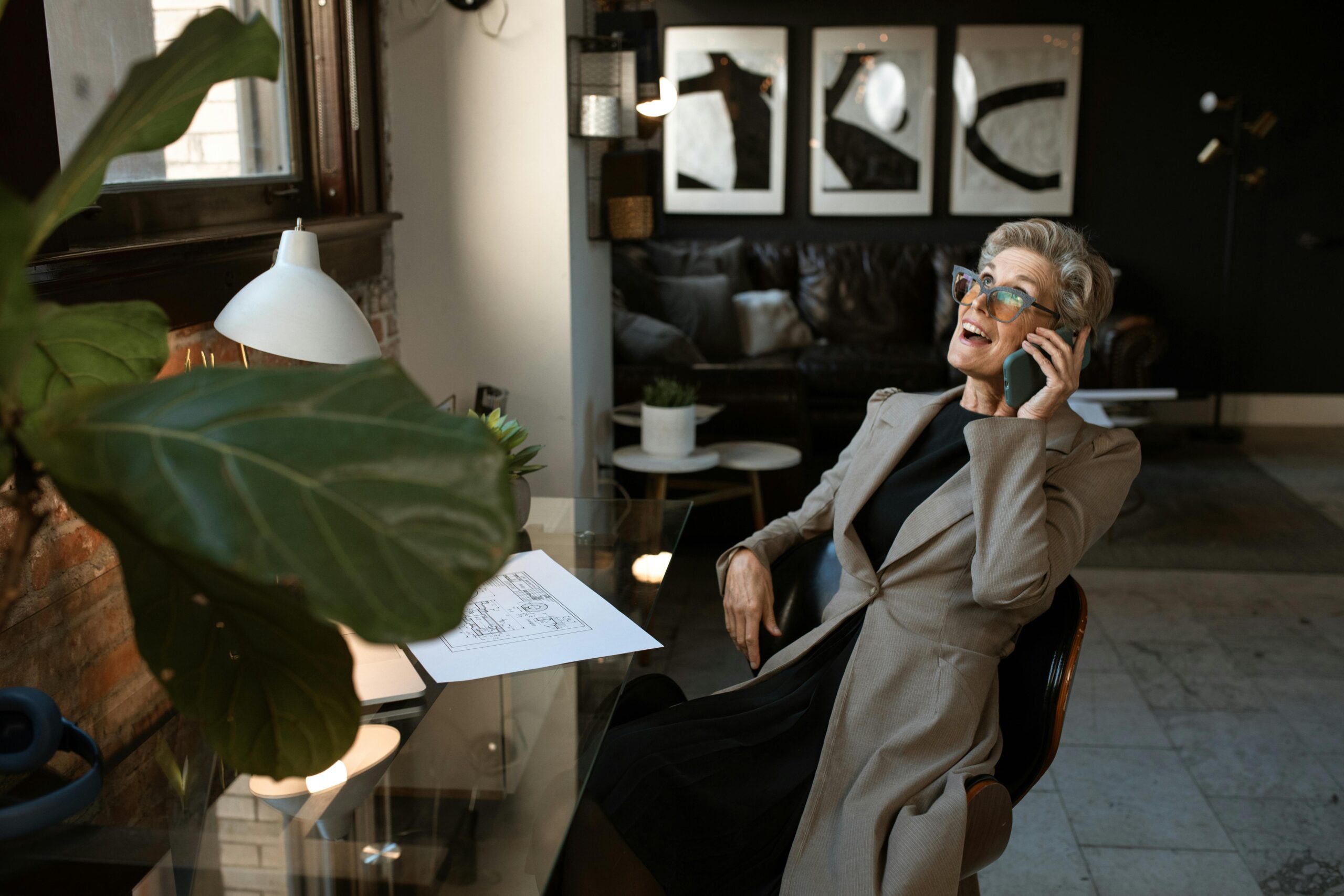
Creativity thrives in environments designed to inspire. The spaces we inhabit profoundly influence our ability to innovate, imagine, and bring transformative ideas to life.

🎨 The Psychology Behind Creative Spaces
Understanding how our surroundings affect cognitive function is fundamental to designing spaces that unleash creativity. Neuroscience research reveals that our brains respond differently to various environmental stimuli, from lighting and color to spatial layout and sensory elements.
When we encounter visually stimulating yet organized environments, our brains enter a state conducive to divergent thinking—the cornerstone of creative problem-solving. Conversely, cluttered or sterile spaces can inhibit imagination and restrict innovative thought processes. The key lies in striking the perfect balance between stimulation and tranquility.
Environmental psychology demonstrates that specific design elements trigger different mental states. Warm colors like orange and yellow can energize and promote enthusiasm, while cooler tones such as blue and green foster calmness and concentration. Understanding these psychological principles empowers us to craft spaces that align with our creative objectives.
The Role of Natural Elements
Biophilic design—incorporating natural elements into built environments—has emerged as a powerful tool for enhancing creativity. Studies consistently show that exposure to nature, even in symbolic forms like plants or natural materials, reduces stress and improves cognitive performance by up to 15%.
Natural light serves as perhaps the most critical element. Spaces flooded with daylight regulate circadian rhythms, boost mood, and enhance alertness. When natural light isn’t abundant, full-spectrum artificial lighting can provide similar benefits, mimicking the sun’s qualities throughout the day.
🏗️ Architectural Elements That Spark Innovation
The physical structure of a space fundamentally shapes how we interact with it and each other. Open floor plans encourage spontaneous collaboration and idea exchange, while private nooks provide sanctuary for deep, focused work. The most innovative spaces incorporate both elements seamlessly.
Ceiling height matters more than many realize. Research from the University of Minnesota found that higher ceilings promote abstract thinking and creativity, while lower ceilings encourage detailed, analytical work. Variable ceiling heights within a single space can therefore support different types of creative work.
Flexible architecture allows spaces to evolve with changing needs. Movable walls, modular furniture, and adaptable zones enable users to reconfigure their environment based on project requirements. This flexibility itself becomes a creative catalyst, reminding occupants that innovation requires constant adaptation.
Creating Zones for Different Creative Processes
Effective creative spaces accommodate the entire innovation journey. Brainstorming zones should feel open and energetic, with writable surfaces, comfortable seating arrangements, and vibrant colors. These areas benefit from informal layouts that encourage movement and spontaneous interaction.
Prototyping and making spaces require different considerations. These zones need robust surfaces, accessible tool storage, and excellent task lighting. The aesthetic can be more industrial, signaling that this is where ideas become tangible—a place for experimentation without fear of mess.
Reflection areas complete the creative ecosystem. Quiet, comfortable spaces with softer lighting and minimal visual distraction allow ideas to percolate. These zones might include individual pods, comfortable reading chairs, or meditation spaces where the mind can wander freely.
🎭 Color Theory and Creative Expression
Color wields tremendous psychological power over our mental states and creative capabilities. Strategic color application can transform a mundane workspace into an innovation powerhouse. However, the relationship between color and creativity isn’t one-size-fits-all—it depends on the type of creative work being performed.
Blue has been shown to enhance cognitive performance and creative thinking. A study published in Science found that participants exposed to blue backgrounds performed better on creative tasks requiring imagination. Blue’s calming effect reduces anxiety, allowing the mind to explore unconventional ideas.
Green connects us to nature and promotes harmony. Research indicates that even brief glimpses of green can boost creative performance. Incorporating green through paint, textiles, or living plants creates an environment where fresh ideas flourish naturally.
Strategic Color Application
Rather than painting entire rooms in single colors, consider accent walls or color blocking. A vibrant orange accent wall in a brainstorming area can energize without overwhelming, while softer tones on surrounding walls maintain visual balance. This approach provides stimulation while preventing sensory overload.
Color temperature matters significantly. Warm colors advance visually, making spaces feel more intimate and energetic. Cool colors recede, creating the perception of spaciousness and calm. Mixing temperatures strategically guides attention and influences the room’s psychological atmosphere.
💡 Lighting: The Underestimated Innovation Catalyst
Lighting design profoundly impacts creativity, yet it’s frequently overlooked. Poor lighting causes eye strain, fatigue, and diminished cognitive function—all creativity killers. Conversely, well-designed lighting schemes enhance mood, energy, and innovative thinking.
Layered lighting provides flexibility essential for creative work. Ambient lighting establishes the overall atmosphere, task lighting supports focused activities, and accent lighting highlights inspirational elements or artwork. This layering allows occupants to adjust their environment based on current needs.
Circadian lighting systems that change color temperature throughout the day align with natural biological rhythms. Cooler, blue-rich light in the morning promotes alertness, while warmer tones in the afternoon prevent the harsh transition that can stifle late-day creativity. These systems can improve both productivity and well-being by 20% or more.
Dynamic Lighting for Different Creative Modes
Dimmable and color-tunable LED systems offer unprecedented control. During collaborative brainstorming, brighter, cooler lighting stimulates energy and engagement. For contemplative work or presentations, dimmer, warmer lighting creates appropriate ambiance. This adaptability supports the full spectrum of creative activities.
Don’t underestimate the power of unconventional lighting elements. String lights, neon signs with inspirational messages, or artistic light installations add personality while serving functional purposes. These elements make spaces memorable and emotionally engaging—qualities that fuel imagination.
🪑 Furniture and Ergonomics for Creative Comfort
Physical comfort directly correlates with creative output. When we’re uncomfortable, our brains focus on discomfort rather than innovation. Ergonomic furniture isn’t just about health—it’s about removing barriers between imagination and execution.
Variety in seating options acknowledges that different people and different tasks require different support. Include traditional desk chairs for computer work, lounge seating for informal discussions, standing desks for energized thinking, and even floor cushions for unconventional perspectives. This diversity enables people to choose what works best for them.
Movement-friendly furniture encourages physical activity, which stimulates creativity. Rocking chairs, balance balls, or treadmill desks keep the body engaged while the mind works. Research from Stanford University found that walking increases creative output by an average of 60%, suggesting that incorporating movement into creative spaces yields significant benefits.
The Power of Flexible Configurations
Modular furniture systems transform spaces quickly to accommodate different group sizes and activities. Tables on wheels, stackable chairs, and collapsible partitions enable rapid reconfiguration. This flexibility signals that the space—and by extension, the work—is dynamic and adaptable.
Consider incorporating furniture at various heights. High tables for standing meetings promote energy and brevity. Low tables with floor seating create casual, egalitarian atmospheres. Standard-height desks support traditional work. This variety accommodates different work styles and physical needs while keeping the environment visually interesting.
🖼️ Curating Inspiration Through Visual Elements
The visual content within a creative space serves as constant inspiration or distraction—choose wisely. Artwork, imagery, and displayed objects should reflect the values, aspirations, and aesthetic sensibilities of the space’s users while provoking thought and sparking imagination.
Rotating displays keep the environment fresh. What inspires today may become invisible tomorrow as our brains filter out familiar stimuli. Regularly changing artwork, featured projects, or inspirational quotes maintains visual novelty, continuously engaging the creative mind.
Vision boards or inspiration walls allow occupants to contribute personally meaningful content. These collaborative displays create ownership and emotional connection to the space. They also provide glimpses into colleagues’ thinking processes, potentially sparking unexpected cross-pollination of ideas.
Balancing Inspiration and Distraction
While visual richness stimulates creativity, excessive clutter overwhelms. The Japanese concept of “ma”—the balance between objects and the space around them—offers guidance. Leave breathing room around displayed items. Negative space isn’t empty; it provides visual rest essential for processing stimulating elements.
Incorporate inspirational typography thoughtfully. Motivational quotes or creative prompts can energize, but they lose power through overuse. Select meaningful phrases that resonate with your creative mission, and display them prominently but sparingly. Quality and placement matter more than quantity.
🌱 Bringing Nature Indoors for Organic Creativity
Plants do more than beautify—they purify air, reduce stress, and enhance cognitive function. NASA research identified numerous houseplants that remove toxins from indoor environments, while University of Exeter studies found that plants in workspaces increase productivity by 15% and creativity significantly.
Low-maintenance varieties work best in busy creative environments. Snake plants, pothos, and ZZ plants thrive on neglect while providing substantial benefits. For higher-maintenance greenery, consider hiring plant care services to ensure your botanical elements remain healthy and beautiful.
Living walls or vertical gardens make dramatic statements while maximizing limited floor space. These installations create stunning focal points that improve air quality and provide the psychological benefits of nature exposure. They transform walls from passive boundaries into living, breathing elements of the creative ecosystem.
Natural Materials and Textures
Beyond living plants, incorporating natural materials grounds spaces in organic authenticity. Wood furniture and flooring add warmth while connecting occupants to nature. Stone elements provide tactile interest and visual weight. Natural fiber textiles like wool, cotton, or jute introduce softness and acoustic benefits.
Water features offer both visual appeal and acoustic benefits. The gentle sound of flowing water masks distracting noises while creating a meditative atmosphere conducive to deep thinking. Desktop fountains provide these benefits on a smaller scale, perfect for individual workstations.
🔊 Acoustic Design for Focused Innovation
Sound environments dramatically affect creative work. Constant noise causes stress and reduces cognitive performance, while complete silence can feel oppressive. The goal is acoustic variety that supports different activities and personal preferences.
Open creative spaces require careful acoustic planning. Sound-absorbing materials—acoustic panels, carpeting, upholstered furniture, and ceiling treatments—prevent the cacophony that makes open plans problematic. Strategic placement of these materials manages noise without eliminating the energy of collaborative spaces.
Providing acoustic diversity gives people control over their sound environment. Quiet zones with additional sound dampening serve those needing silence. Areas with background music or ambient noise accommodate those who think better with auditory stimulation. Soundproofed phone booths or meeting pods prevent interruptions during focused work or confidential conversations.
The Role of Music and Ambient Sound
Music’s relationship with creativity is complex and personal. Some people achieve flow states with instrumental music, while others find any music distracting. Offering personal audio options—headphones for individual control—respects these differences while maintaining shared space harmony.
Ambient soundscapes can enhance creativity. Natural sounds like rainfall, ocean waves, or forest atmospheres provide non-distracting background that improves concentration. Some creative professionals find coffee shop ambience optimal. Digital tools and apps now provide customizable soundscapes tailored to individual preferences and task requirements.
🔧 Technology Integration Without Domination
Technology should enhance creativity without overwhelming the human experience. The most effective creative spaces integrate digital tools seamlessly, making them accessible without making them the focal point. The goal is technological support for human imagination, not technological dominance.
Wireless connectivity and abundant charging stations are non-negotiable basics. Creative work increasingly involves digital tools, so infrastructure supporting these tools must be robust and convenient. However, visible cable management and thoughtfully placed outlets maintain aesthetic integrity while providing functionality.
Large displays and digital whiteboards facilitate collaboration and visualization. These tools allow teams to share screens, sketch ideas digitally, and save brainstorming sessions for later reference. When not in use, some models display artwork or inspirational content, serving dual purposes.
Balancing Digital and Analog Tools
Despite technological advances, analog creative tools retain unique value. Physical whiteboards, paper, markers, and sticky notes engage different cognitive processes than digital alternatives. The most innovative spaces provide both, allowing creators to choose tools matching their thinking style and current task.
Making technology invisible when not needed prevents digital distraction. Retractable screens, hidden projectors, and concealed charging stations maintain human-centered aesthetics while keeping technology instantly accessible. This approach respects technology’s utility without allowing it to dictate the space’s character.
✨ Personalization: Making Spaces Truly Your Own
The most inspiring creative spaces reflect the identities and values of their occupants. While design principles provide frameworks, personalization transforms generic spaces into meaningful places where creativity flourishes naturally. Encouraging individual expression within shared spaces builds emotional investment and creative ownership.
Allow flexible personalization of workstations. Personal photos, meaningful objects, and favorite tools make spaces feel like extensions of ourselves. This personal investment translates into greater comfort, belonging, and willingness to take creative risks—essential ingredients for innovation.
Collective personalization opportunities build community while maintaining individual voice. Group-created murals, shared bookshelves reflecting diverse interests, or rotating displays of team members’ work celebrate collective creativity while honoring individual contributions. These elements remind everyone that they’re part of something larger than themselves.
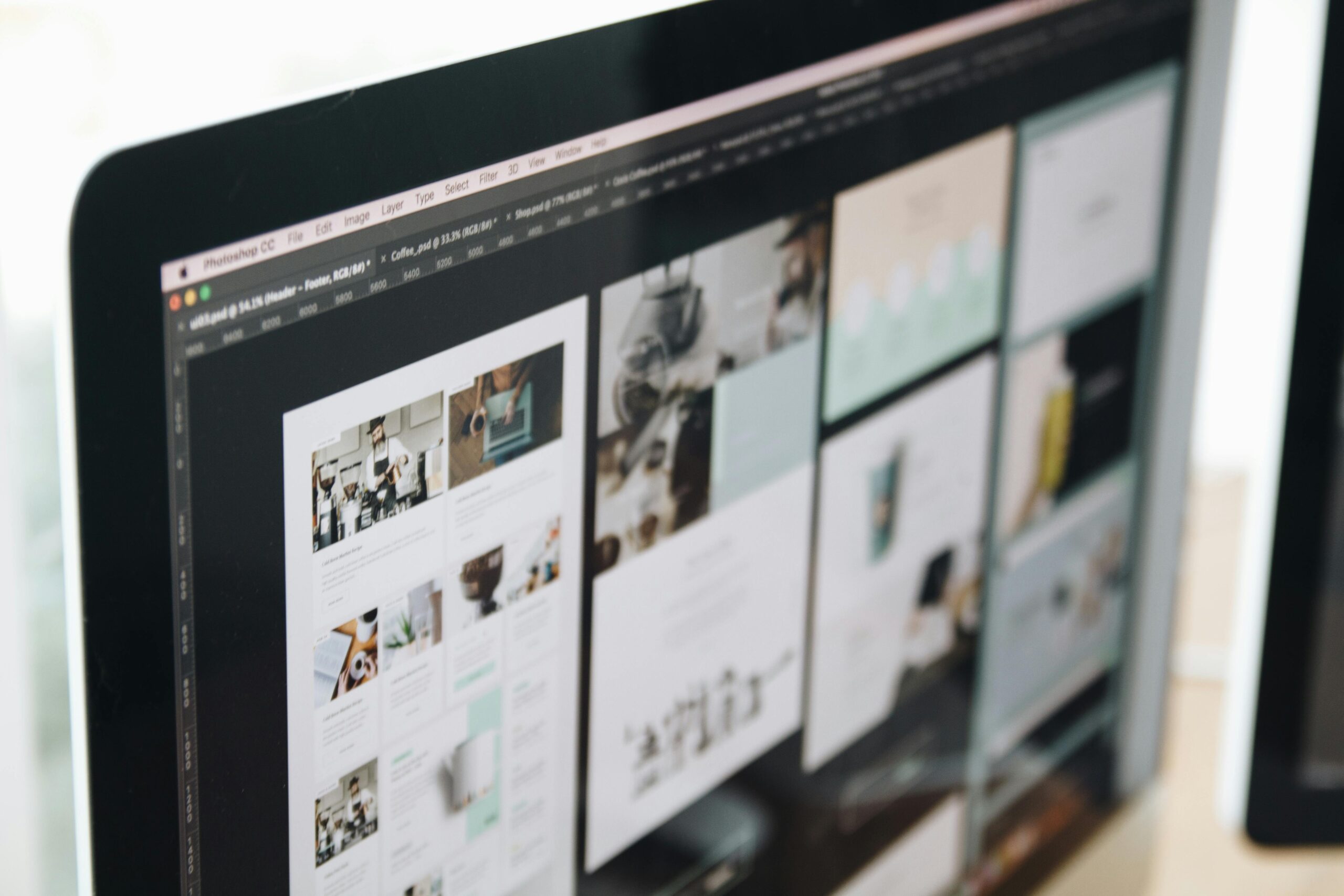
🌟 Sustaining Creative Energy Through Intentional Design
Creating an inspiring space is not a one-time project but an ongoing practice. Spaces evolve as needs change, and maintaining creative vitality requires attention, adaptation, and periodic renewal. The most successful creative environments treat space as a living element of the creative process itself.
Regular reflection on how the space serves current needs identifies improvement opportunities. Quarterly or biannual space audits—examining what’s working and what isn’t—ensure the environment continues supporting rather than hindering creativity. Involve all space users in this process to capture diverse perspectives.
Seasonal refreshes prevent stagnation. Simple changes like new artwork, rearranged furniture, or updated plants signal that the space—and the work within it—is dynamic. These updates needn’t be expensive or extensive; small, thoughtful changes maintain novelty and engagement.
Designing spaces that unleash creativity and imagination is both art and science. By understanding psychological principles, incorporating natural elements, providing flexible configurations, and honoring personal preferences, we create environments where innovation thrives naturally. The investment in thoughtful space design pays dividends in enhanced creativity, improved well-being, and transformative ideas that wouldn’t emerge in less inspiring surroundings. Your creative space should be as dynamic, authentic, and imaginative as the work you hope to accomplish within it.